Small space: design tips that make rooms feel larger
May 23, 2025
4 min read
Open it up with mirrors
Mirrors are the oldest trick in the book—and they still work. A large mirror reflects light and creates the illusion of depth. Place it across from a window or in a hallway to instantly “expand” your space.
🪞 Try a full-length mirror leaned casually against the wall for a modern look.
Go vertical, not horizontal
When square footage is tight, think upwards. Use tall shelving units, hanging plants, vertical storage racks, and floor-to-ceiling curtains. This draws the eye up and makes the room feel taller and more open.
🪴 Pro tip: Hanging plants in the corner = instant cozy without taking up floor space.
Fold, tuck, and hide
Furniture that folds, slides, or stacks is your best friend. Drop-leaf tables, nesting stools, and fold-out desks save space when not in use and adapt to your needs.
🪑 Look for pieces with hidden storage—ottomans, beds with drawers, even side tables with compartments.
Stick to light, airy colors
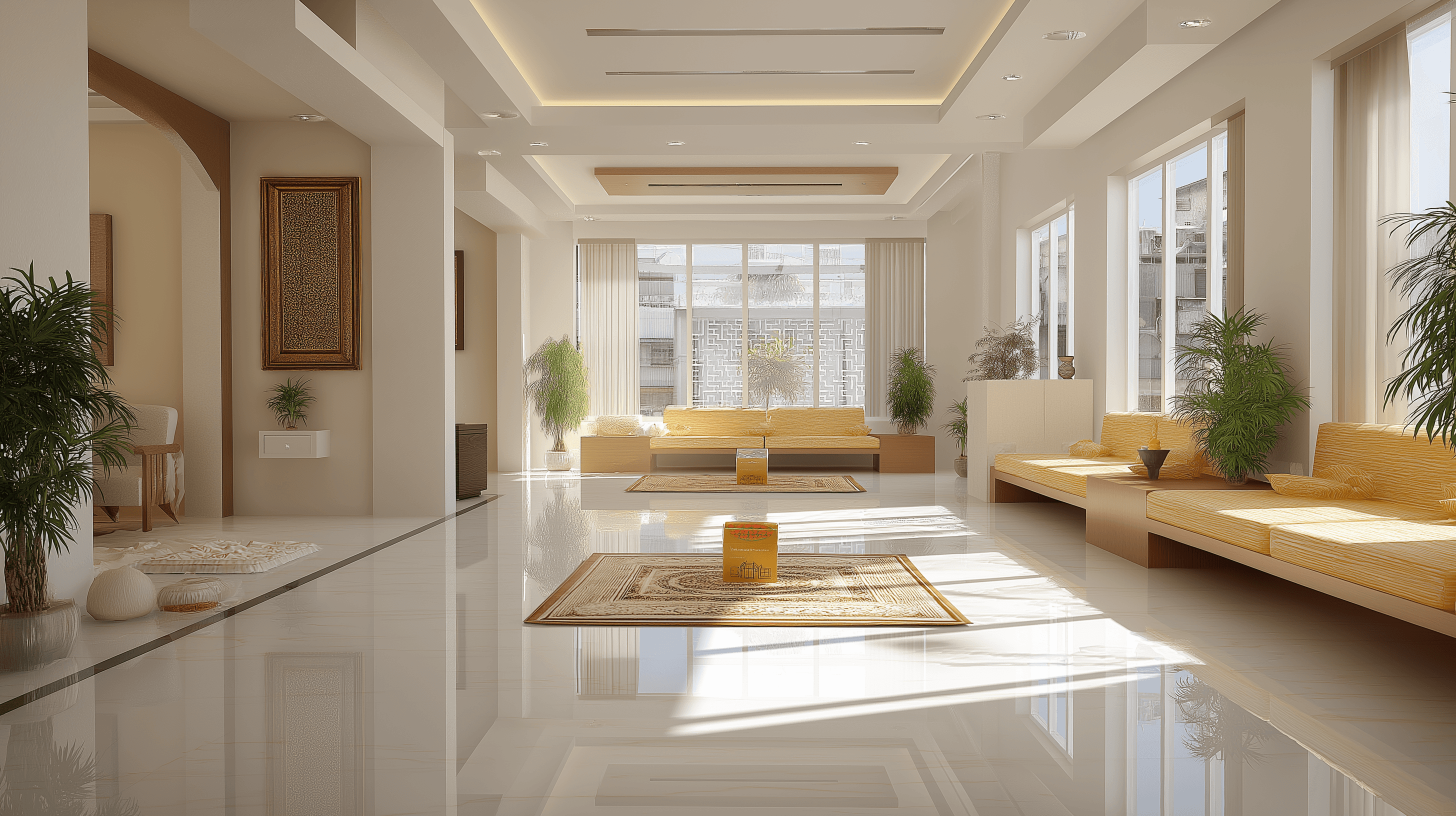
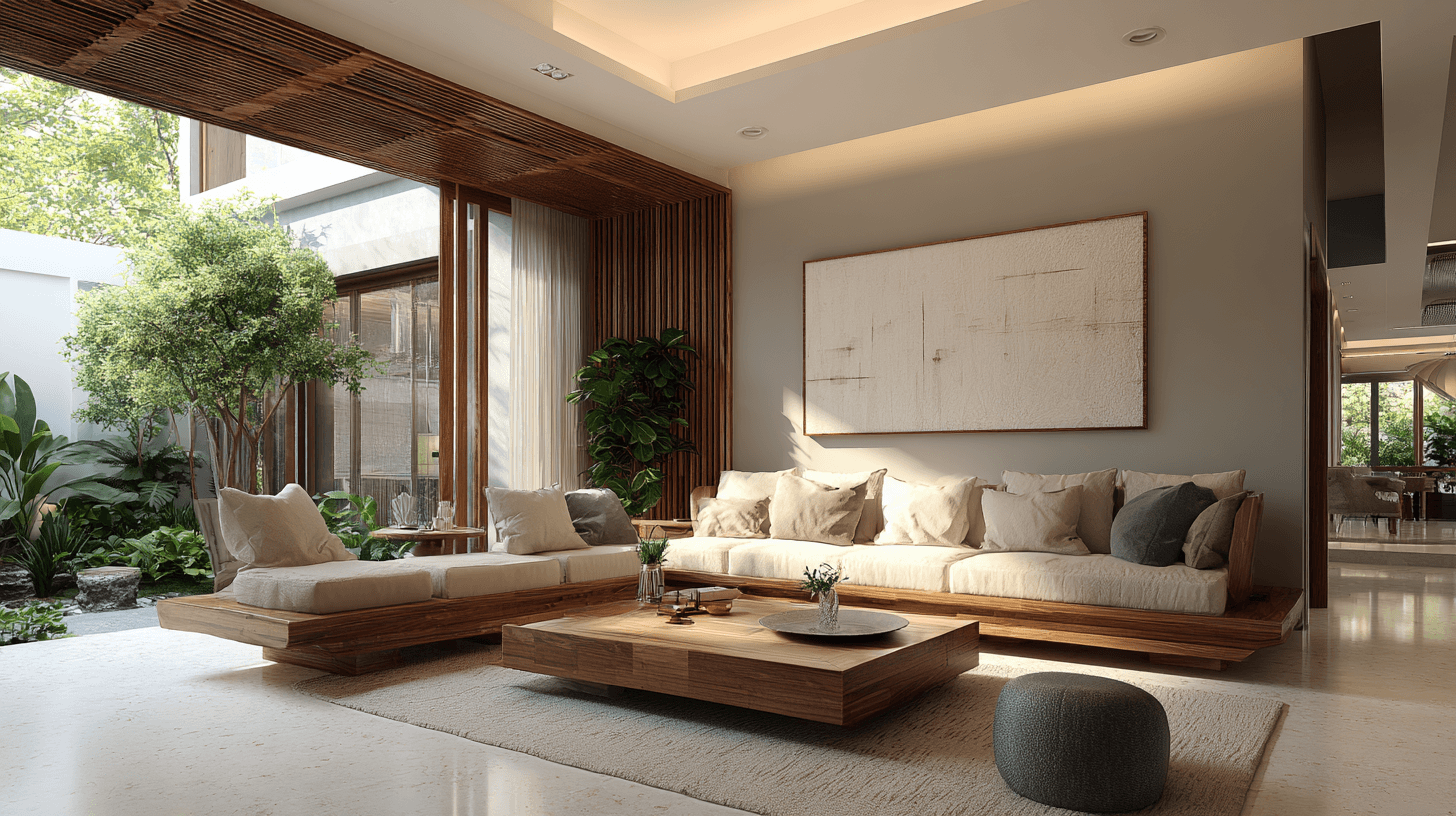
Light tones reflect more light and make a space feel open. Go for whites, creams, soft pastels, or light greys for walls and larger furniture. Keep heavy, dark colors as small accents.
🎨 Want a touch of bold? Try a pale backdrop with one deep color—like navy or charcoal—for drama without heaviness.
Multi-use zones = magic
Blend room functions with style. A desk can be a vanity. A bench can have storage. A bookshelf can act as a room divider.
🛋️ Create visual “zones” using rugs or lighting to separate areas without actual walls.
Keep it clutter-free but not empty
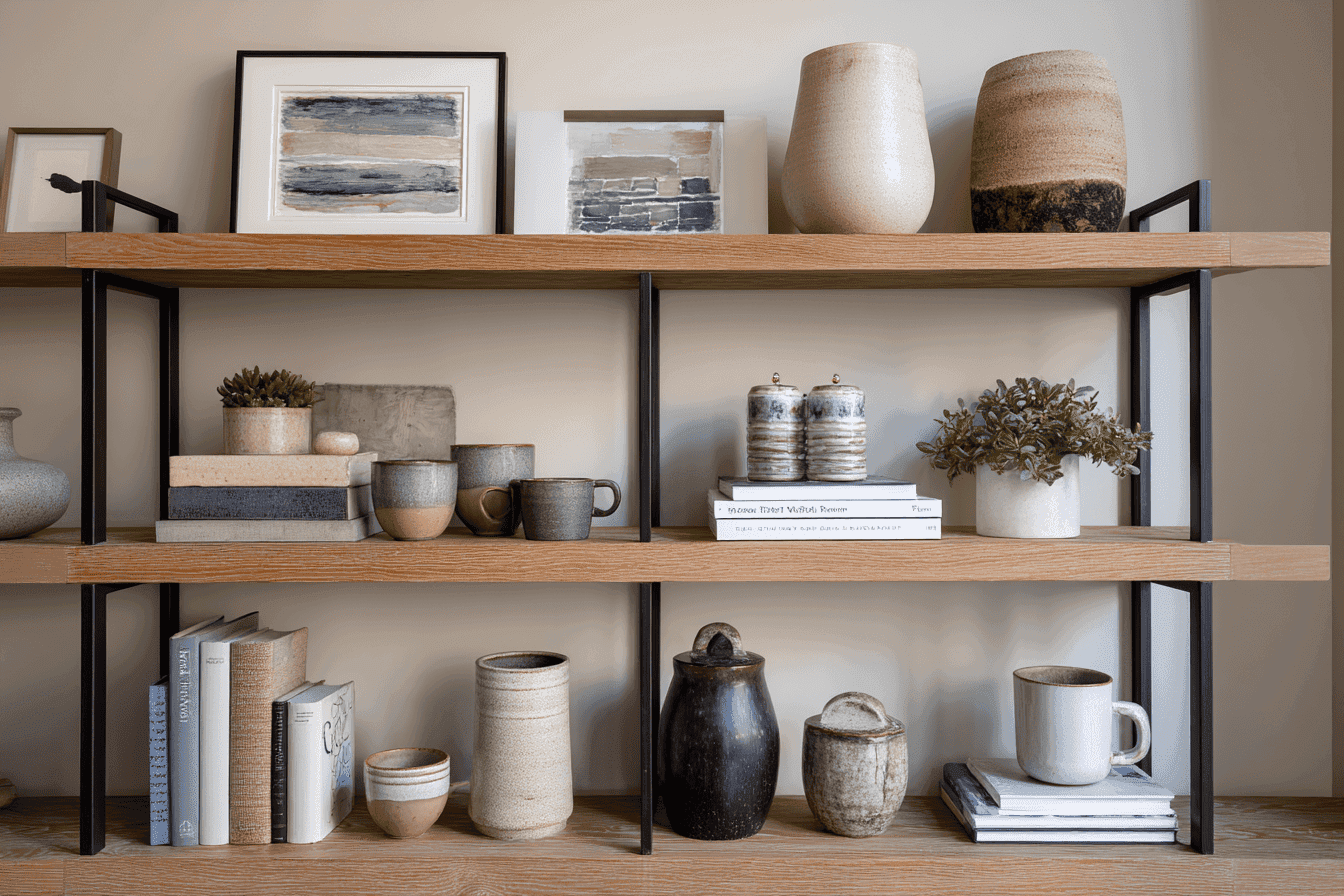
Minimal doesn’t mean boring. Use a few statement pieces instead of many small ones. Keep open shelves organized and curated—think three objects per shelf max.
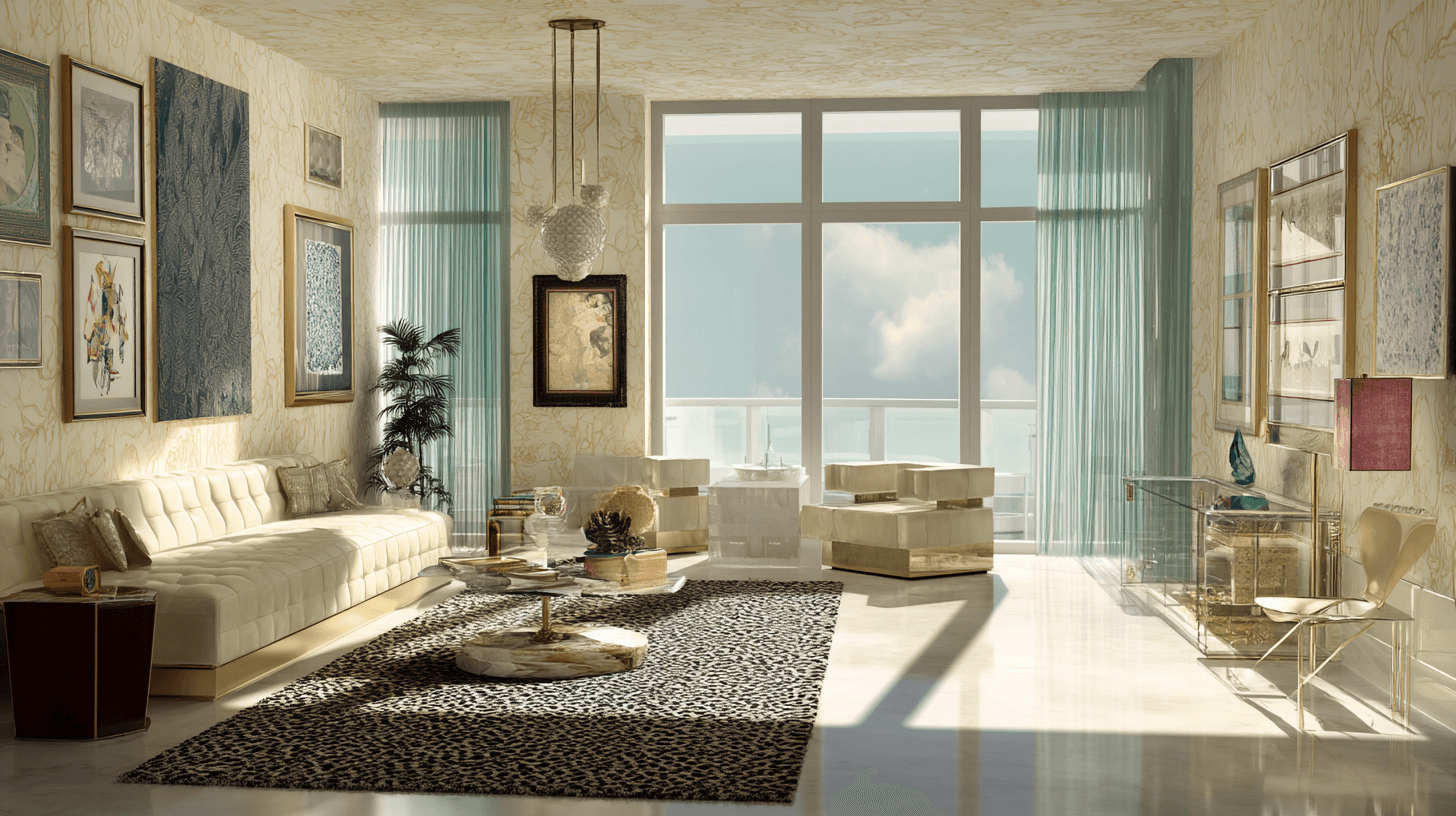
🖼️ One large artwork often makes more impact than a wall of tiny frames in tight rooms.